Be Salty Stay Lit: A Designer’s Honest Review
As someone who has digitized, stitched out, and sold hundreds of embroidery designs, I’ve learned that a good graphic doesn’t always make a good embroidery file. When I first opened the Be Salty Stay Lit design set, I was curious how this faith‑driven phrase would translate into thread. Here’s my practical breakdown after testing it in real project conditions.
First Impressions of Be Salty Stay Lit
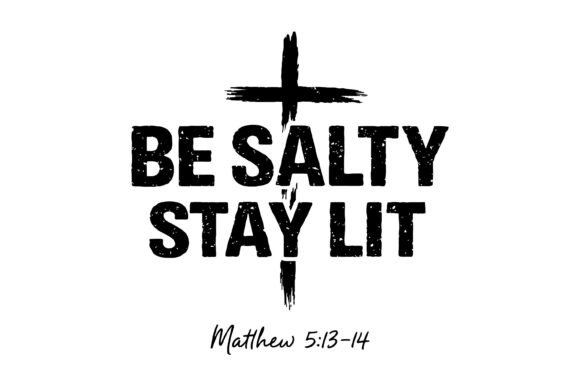
The design delivers exactly what its description promises: a Christian message built around Jesus, the cross, scripture, and spiritual encouragement. “Be Salty Stay Lit” feels modern and conversational—a blend of salt‑of‑the‑earth imagery and the call to let your light shine. The aesthetic leans toward bold typography with a cross integrated into the layout, making it instantly recognizable as faith‑based.
From a designer’s perspective, the shape is well‑balanced for most apparel placements—chest, back yoke, or sleeve. The overall mood is energetic but reverent, which makes it versatile for both casual wear and gift items. Because it’s provided in SVG, PDF, JPEG, PNG Transparent, and EPS, you have plenty of options for mockups, printing, or as a guide for digitizing. But remember: this is not a native machine embroidery file. You’ll need to digitize it or commission a digitizer to convert the vector into stitch formats.
Real‑World Embroidery Performance
I tested Be Salty Stay Lit as a custom design for a sweatshirt order—a small batch for a church youth group retreat. I created an embroidered patch first to evaluate how the elements held up. The larger text and cross outline were ideal for satin stitch and fill stitch, giving a crisp, professional look. The scripture reference (implied in the design) was set in a smaller font, which required careful underlay and a stabilizer to avoid distortion on the sweatshirt’s knit fabric.
For tote bag designs, the bold center layout worked beautifully. I digitized the phrase as a standalone piece with a running stitch border, and the stitching clarity remained high even after several washes. Baby embroidery would need a scaled‑down version—the original size might overwhelm a onesie. For caps and curved surfaces, the cross’s horizontal beams could become distorted if not split into separate sections, so test on a scrap cap curve first.
Where This Design Shines
From a business perspective, Be Salty Stay Lit hits a strong niche. Faith‑based merchandise sells consistently on Etsy, at craft fairs, and in church gift shops. The phrase is short, memorable, and carries a positive message that resonates with many buyers. I can see it working on:
- Custom apparel – t‑shirts, hoodies, sweatshirts for youth groups or personal gifts
- Handmade products – embroidered pillows, tea towels, and kitchen towels for spiritual inspiration
- Personalized gifts – tote bags for church events, embroidered blankets for baptisms or confirmations
- Small shop merchandise – patches, caps, aprons for boutique Christian brands
- Printable mockups – the PNG and SVG make it easy to create photorealistic product previews for your Etsy listings
Because the design is part of the T-Shirt Designs category and sold as Graphics, you have the freedom to adapt it for embroidery if you own digitizing software or hire a digitizer. The vector files (SVG and EPS) are clean enough to pull individual elements for separate uses—maybe just the cross for a small patch or the full phrase for a large back design.
Areas to Approach with Care
No design is perfect straight out of the box for embroidery. Here are a few things I noticed during testing:
- Small hoop sizes – If you plan to stitch this on a 4x4 hoop, you’ll need to reduce the design significantly. The smaller the lettering, the more likely fine details (like the cross center) become lost in fill stitches. Test at 70‑80% of original size before committing.
- Textured or stretchy fabrics – On fleece, chenille, or thick knits, the satin stitch in the letters can lose definition. Use a tear‑away stabilizer for woven fabric and a cut‑away for stretchy knit to keep the design crisp.
- Dark fabric backgrounds – The design’s imagery relies on contrast. If you stitch with a light thread on black fabric, small negative spaces (like between the cross beams) may close up. A white or glow‑in‑the‑dark thread works well, but always stitch a test sample.
- Curved surfaces (caps) – The horizontal elements of the cross need to be split or adjusted to follow the cap’s curve. A one‑piece digitization can lead to puckering.
- Frequent washing – For items like dish towels or baby clothes, dense fill stitches may shrink or fray over many washes. Consider reducing stitch density or using a smaller version for high‑use products.
These are solvable issues if you plan ahead. A good digitizer can adjust the design to handle tricky fabrics and placements.
Designer Notes for Best Results
Before you start your embroidery project, take these steps to save time and thread:
- Test on scrap fabric first – Stitch the design on a material similar to your final product. Check thread color contrast, stitch density, and overall readability.
- Check small details – If any part of the design (like a scripture verse or tiny decorative cross) falls below 5mm in height, consider simplifying or enlarging it. Small text in satin stitch can become a blob.
- Review stitch density – Open the digitized file and look for overly dense areas. Too many stitches in one spot can cause fabric puckering or thread breaks. Adjust underlay if needed.
- Confirm hoop size – Make sure the design fits your largest hoop. If you’re working with a 5x7 hoop, the full layout may be comfortable; for 4x4, you may need to split elements or scale down.
- Test in black and white mockups – Convert the design to grayscale to see which areas hold contrast. This helps identify sections that may blend into busy backgrounds.
- Compare light vs. dark fabric backgrounds – The cross and lettering rely on clear separation. A dark thread on a medium fabric may disappear; a light thread on white fabric may not pop. Always test both.
- Use proper stabilizer – For most apparel, a medium‑weight cut‑away stabilizer works best. For patches or tote bags, tear‑away is fine if the fabric isn’t stretchy.
- Review licensing before selling – Since you’re using a design asset labeled as Graphics for T-Shirt Designs, confirm whether the license allows you to sell the finished embroidered items. If you’re an Etsy seller or run a craft business, make sure you have the right to use the design commercially—some graphic sets are for personal use only.
- Digitize with care – If you’re converting the provided SVG or EPS yourself, pay attention to the cross shape. The points and angles should be digitized with clean pull compensation to avoid distortion.
- Create a printable mockup – Use the JPEG or PNG for product listing photos. A clear mockup showing the embroidered design on a sweatshirt or tote bag will boost buyer confidence and help you sell faster.
These steps might sound tedious, but they’ve saved me from many failed batches. A little prep turns a good graphic into a great embroidery product.
Final Thoughts for Crafters and Business Owners
Be Salty Stay Lit offers a strong, marketable message that fits right into today’s faith‑based merchandise trend. As a designer, I appreciate the clean vector linework and the flexibility of having multiple file types. For embroidery, the design needs thoughtful digitizing and careful fabric selection, but that’s true for any graphic turned into thread.
If you’re a small shop owner or hobbyist looking for a design that resonates with a Christian audience, this one is worth your time. It works beautifully on custom apparel, handmade gifts, and personalized products. The bold phrases and cross imagery catch attention without being overly complex. With proper stabilizer and a test run, you can turn this into a finished product that your customers will love and wear proudly.
Whether you’re stitching a youth group sweatshirt, a baptism tote bag, or a holiday gift for a friend, Be Salty Stay Lit delivers on its promise of spiritual encouragement with a modern twist. Just remember to digitize it well, test your materials, and double‑check your licensing. Then go ahead—make something that shines.