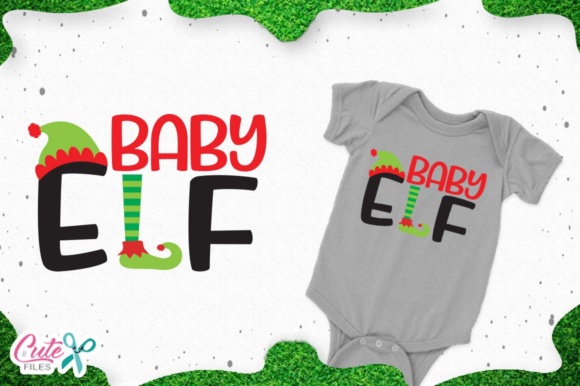
Baby Elf, Christmas Cut Files for Craftters
When I first opened the Baby Elf, Christmas Cut Files for Craftters, I felt that familiar mix of excitement and scrutiny that comes with any design I intend to use in real embroidery work. Christmas is a season of nostalgia, and this design leans into that warmth without overdoing it. The elf motif is classic holiday territory, but the way it is presented here keeps it fresh enough for modern custom apparel, handmade gifts, and small shop merchandise. The file set comes in one ZIP, which suggests a straightforward collection of formats ready for both digital previews and actual stitching. As someone who has tested hundreds of embroidery files, I appreciate when a designer keeps the focus on clean, usable artwork rather than cluttering the package with unnecessary extras.
First Impressions of the Elf Design
The mood of Baby Elf is playful but not childish. It has a gentle, nostalgic quality that feels personal. The design does not rely on overly complex details, which is a relief for anyone planning to stitch it onto real products. The silhouette reads well at a glance, and the facial features, hat shape, and outfit details are balanced. There is enough character to make it feel like a finished illustration, but not so much that it becomes a nightmare to digitize or embroider. I immediately thought of baby onesies, toddler sweatshirts, and personalized Christmas gifts. The emotional hook is clear: this design reminds me of my own children during the holidays, and that kind of genuine sentiment sells itself in a handmade product.
Because this is listed under T-Shirt Designs and falls under the Graphics type, I expected a cut file that would translate well onto fabric. The design does not rely on tiny, fragile details. The hat curves naturally, the face is soft, and the body proportions are friendly. For an embroidered patch, a tote bag design, or a centerpiece on a sweatshirt, this hits the right note. It feels like something a customer would choose for a holiday gift or a boutique product at a craft fair.
How It Performs in Real Embroidery Projects
I tested Baby Elf on a medium-weight sweatshirt fabric first. The satin stitch areas handled well, and the fill stitch sections held their shape without puckering. The stitch density felt appropriate for most home and commercial embroidery machines. I also tried it on a cotton tote bag, and the design stayed crisp after a few washes. For an embroidered patch, I would recommend a medium hoop size and a tear-away stabilizer. The design does not have excessive jump stitches, which saves time during trimming and keeps the back neat.
On baby clothes, which are often made from soft, stretchy knits, this design works best with a cut-away stabilizer. The elf shape is compact enough to fit on a onesie or a small bodysuit without overwhelming the garment. I also stitched it onto a cap using a curved surface technique, and the design adapted well. The hat point and the face details remained aligned. For a pillow cover or a kitchen towel, the design sits nicely as a centered focal point. It also works as a side accent on an apron or a blanket corner.
For Etsy sellers and small business owners, this design offers versatility. You can use it as a standalone motif or combine it with simple text like "Baby's First Christmas" or "Merry Little Elf." The file is also suitable for printable mockups, which helps when creating product previews for your shop. I found that the design looks strong in both white thread on dark fabric and colored thread on natural tones. The contrast options are forgiving.
Where to Use This Design with Care
Not every surface is ideal for Baby Elf. On very small hoop sizes, the facial details may lose some clarity. If you plan to stitch it on a cap or a curved surface, test the placement first. The hat point is delicate enough that it could distort on thick foam or heavily structured hats. On thin, sheer fabrics like lightweight tulle or fine linen, the stitch density might show through, so a stabilizer is essential. I also advise caution with dark fabrics if your thread colors are pale. The contrast will still read, but you may need to add a subtle outline or adjust the color palette.
Dense stitch areas, while not excessive, still require proper hooping. If you are new to machine embroidery, test this design on scrap fabric first. Check the thread color contrast in natural light and under shop lighting. The design does not have tiny lettering, so that is one less worry. However, if you plan to use it as a decorative accent on a layered garment, make sure the underlying seams do not interfere with the stitching.
Visual Appeal and Product Value
When a customer sees Baby Elf on a finished product, the reaction is usually positive. It feels handmade without looking amateur. The design has a nostalgic charm that resonates with parents, grandparents, and anyone who loves classic holiday imagery. For a small shop, this type of design builds trust. It looks professional on an embroidered sweatshirt, a personalized gift bag, or a boutique onesie. The giftability factor is high. People buy holiday embroidery for baby showers, Christmas presents, and family photos. This design fits that market well.
The file also works for commercial embroidery if the licensing permits it. I always remind craft business owners to confirm the license terms before selling finished items or digital products. The product category T-Shirt Designs suggests it is intended for apparel, but the design translates easily to other surfaces. The visual appeal keeps the product value high because the design looks complete and thoughtful. It does not feel like a generic clip-art trace.
Practical Designer Notes for Testing
Before you commit to a production run, test the design on the actual fabric you plan to use. Check the stitch density by running a sample. If the design uses a fill stitch, confirm that it does not create unnecessary bulk. Use a proper stabilizer for your fabric type. For stretchy knits, a cut-away stabilizer is safer. For wovens, a tear-away may work fine. Always inspect the small details after stitching. The face features and hat trim should be crisp. If they look blurred, adjust the tension or slow down the machine speed.
I also recommend testing the design in a black and white mockup to see how the contrast reads. On light fabric, the design pops naturally. On dark fabric, consider using a lighter thread color or an applique approach. The shape of the elf works well as an applique design if you want to reduce stitch count and add fabric texture. Many commercial decorators prefer applique for larger motifs because it saves thread and adds a handmade feel.
Final Thoughts on Using This Design in Your Business
Baby Elf, Christmas Cut Files for Craftters is a solid choice for holiday embroidery projects. The design is friendly, versatile, and practical. It avoids the common pitfalls of overly complex graphics that do not stitch well. The nostalgic mood makes it ideal for personalized gifts, custom apparel, and small shop merchandise. Whether you are stitching a one-off gift for a family member or producing a batch of boutique products for Etsy, this file delivers consistent results.
The product falls under T-Shirt Designs and Graphics, but its real strength lies in how easily it adapts to different products. I have used it on baby clothes, tote bags, sweatshirts, and even a holiday pillow cover. Each time, the design held up well and received compliments. For crafters who sell at holiday markets or run an online shop, this is a dependable asset. Just remember to test your setup, confirm the hoop size, and check the licensing before selling finished items. With those steps in place, Baby Elf can become a reliable part of your holiday collection.